Call 561-839-5588 today for a FREE Consultation

Why Learn Piano later in life
PIANO
12/14/20251 min read
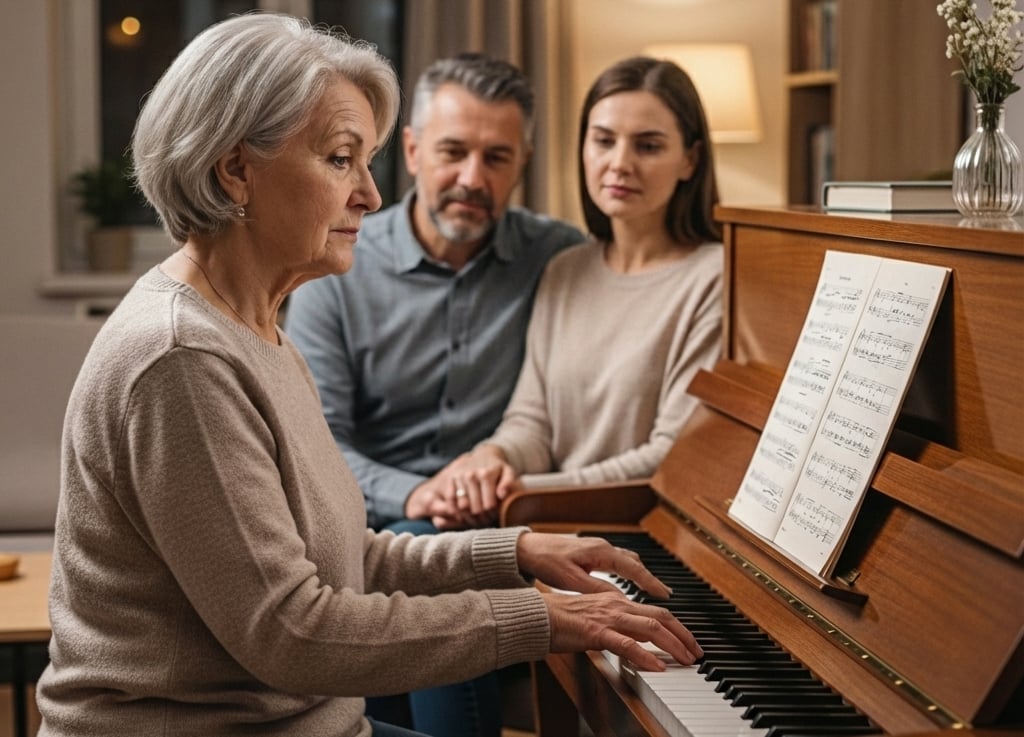
Why Learn Piano later in life:
A randomized controlled trial found that 4 months of piano lessons improved quality of life in older adults, particularly psychological and physical domains.
Musical training has been linked to improved cognitive functioning and emotional well-being in older populations.
Cognitive & Brain Health
Improves memory (short- and long-term)
Enhances attention and focus
Stimulates both brain hemispheres, supporting coordination and processing speed
May slow cognitive decline and support brain plasticity
Physical & Motor Skills
Strengthens fine motor control in fingers and hands
Improves hand–eye coordination
Encourages gentle, low-impact movement helpful for arthritis and stiffness
Emotional & Mental Well-Being
Reduces stress, anxiety, and depression
Provides a sense of purpose, achievement, and routine
Boosts confidence and self-esteem as new skills develop
Sensory & Creative Engagement
Enhances auditory processing
Encourages creative expression and emotional release
Can rekindle memories through familiar songs (especially valuable for seniors with memory loss)
Social Connection
Creates opportunities for lessons, group classes, or family interaction
Encourages sharing music with others, reducing isolation and loneliness
Summary: Piano can be learned at home, even on a keyboard, it is easy to adapt to individual pace and ability, totally Accessible regardless of prior musical experience.
LICENSE #: 299996577
Blue Palm Care | In-Home Senior Care in Boca Raton, FL
Serving Palm Beach County including Boca Raton, Boynton Beach, Delray Beach, Highland Beach, Jupiter, and St. Lucie